
Be Native Bird Friendly
#pollinatorgarden

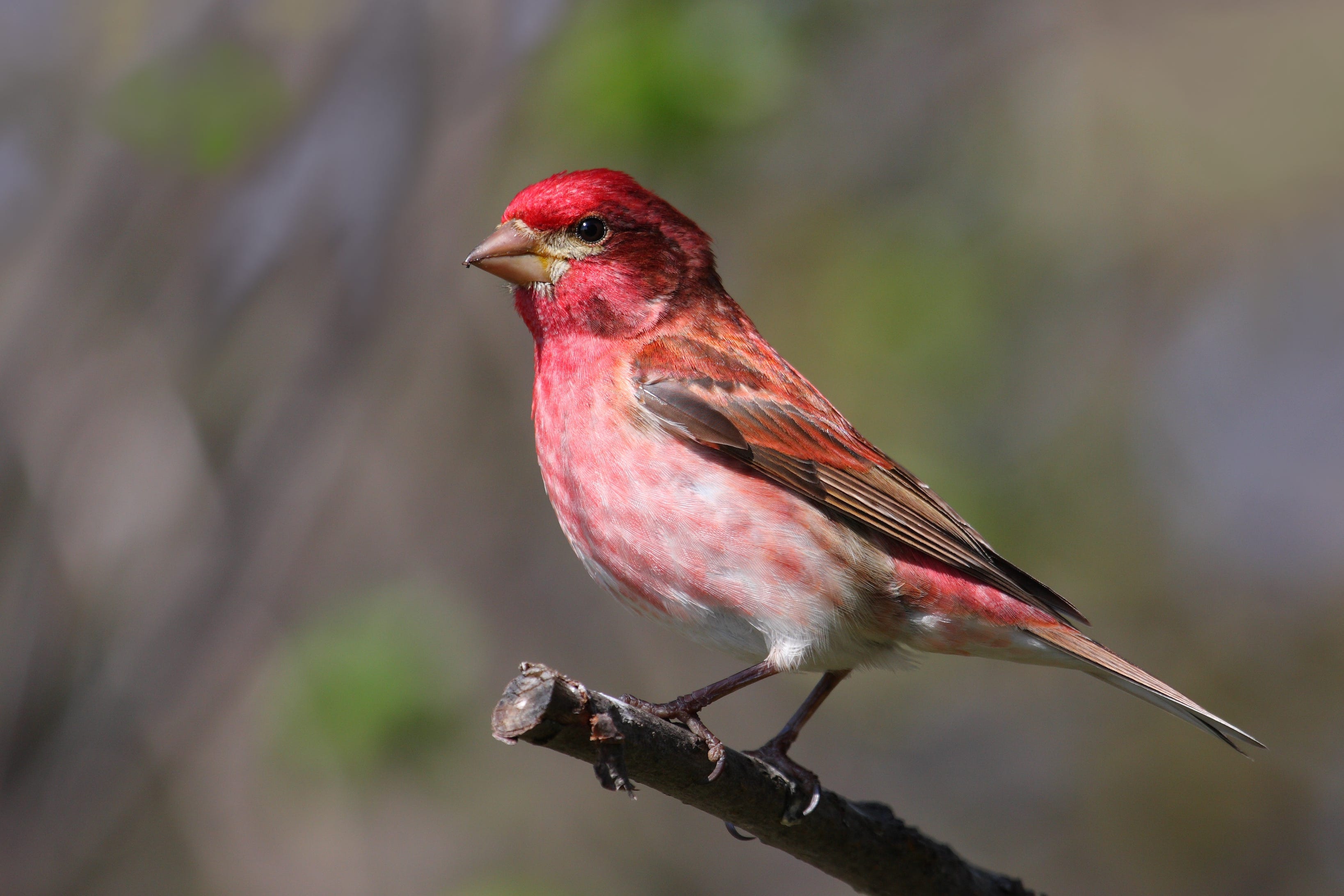
Summer is coming and you can help native birds thrive right where you live by making your garden more bird friendly.
Garden with native plants.
The plants you select to grow in your garden will also impact visiting birds, both the locals as well as any migrants that may stop in. Studies have shown that native plants provide more food for insects than non-native plants. When insects thrive, birds benefit by having a natural food source. By choosing native instead of nonnative fruiting shrubs, you can offer birds a natural food source without spreading invasive species across the landscape.
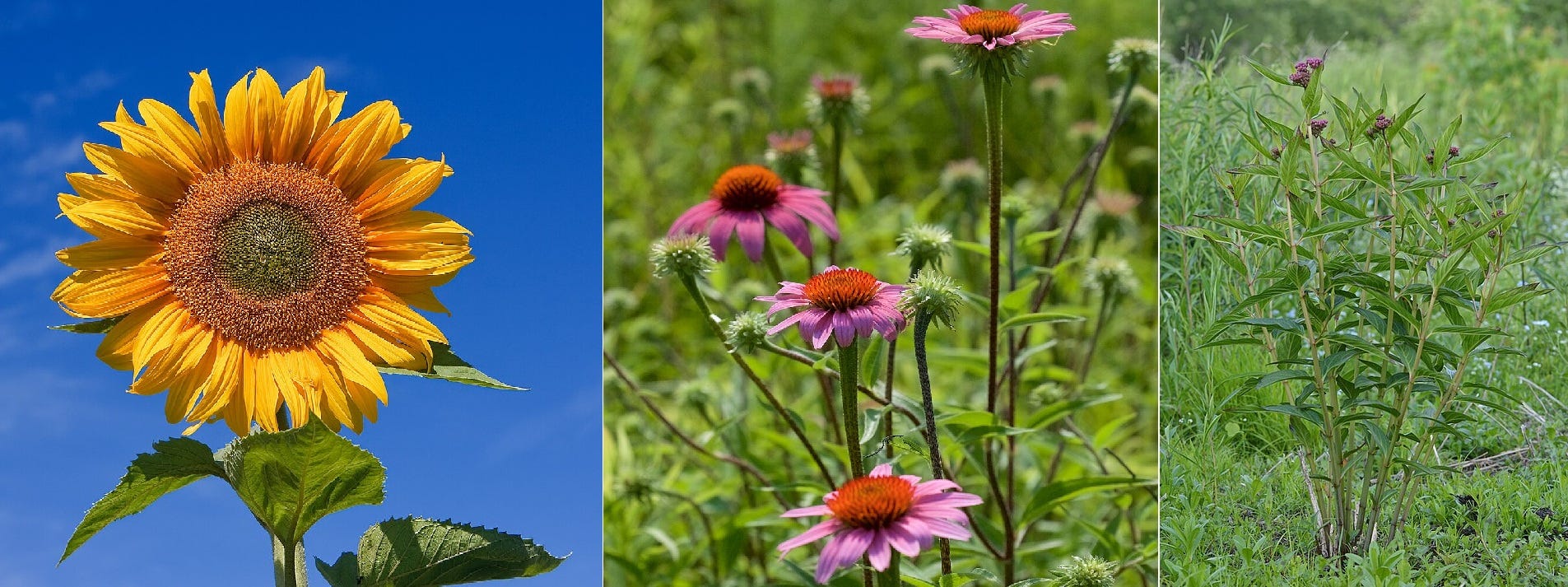
10 Plants for a Bird-Friendly Yard
Avoid pesticides.
Pesticides which are toxic to birds can harm them directly through contact, but it is important to note birds are also harmed if they eat contaminated seeds or prey. Pesticides can also harm birds indirectly by reducing the number of available insects, which birds need to survive.
Provide a feeder station.
If you want to see more birds in your garden, set up a feeder station. Make sure your station is over five feet high to keep it out of reach of predators and pets. If you decide to hang it from a sturdy branch, be aware that squirrels, raccoons, and mice may make it their #1 snack stop. Consider using a baffle, seed tray, or tube feeders which make it easy for birds and difficult for local mammals.
Another fun feeding station option is a smart bird feeder with a solar powered digital camera. We have a Bird Buddy Pro and love to check in with our feathered friends!
If you’re going to feed with seed, make sure that the seeds are formulated for wild birds, but consider supplementing bird seed by offering cut fruit. You can hang pieces of fruit on a wire or nail pieces of fruit onto an old board. During the winter provide high-energy suet or lard blocks for non-migrating birds.
Remember, keep your feeding station clean to minimize the spread of disease.
Provide water.
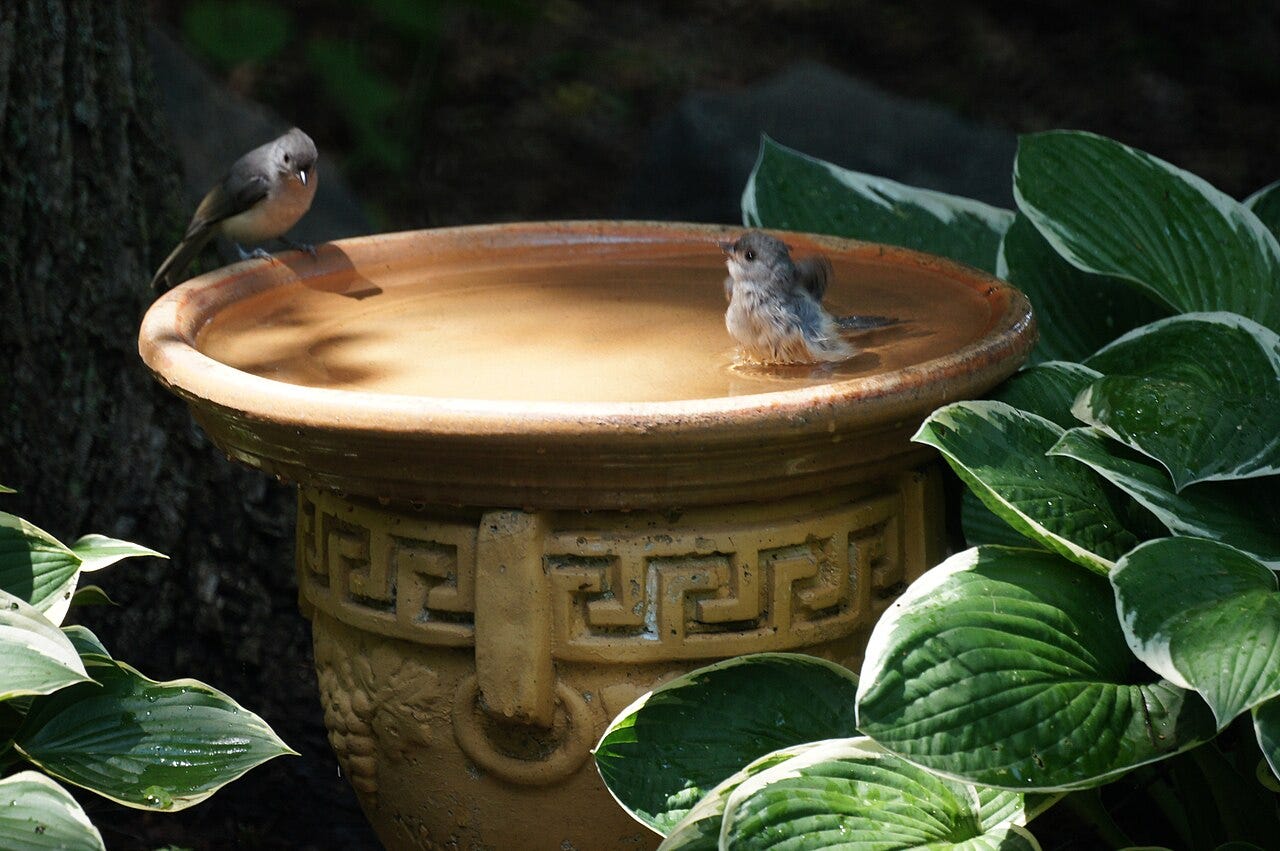
When creating a bird friendly habitat, having a source of clean water is often overlooked. Birds need water year-round (yes, even in the winter). There is an assortment of man-made bird bath for birds to drink and bathe in, but you can also consider providing a simple basin or shallow dish.
Make windows safer.
At night, lighted windows can attract and kill migrating birds, so make a point of turning off lights or closing the curtains during periods of high migration. During the daytime windows reflect foliage or sky, encouraging birds to fly into them, so consider options like window tape or Zen wind curtains (aka Acopian BirdSaver) to keep birds in the sky where they belong.
Keep cats indoors.
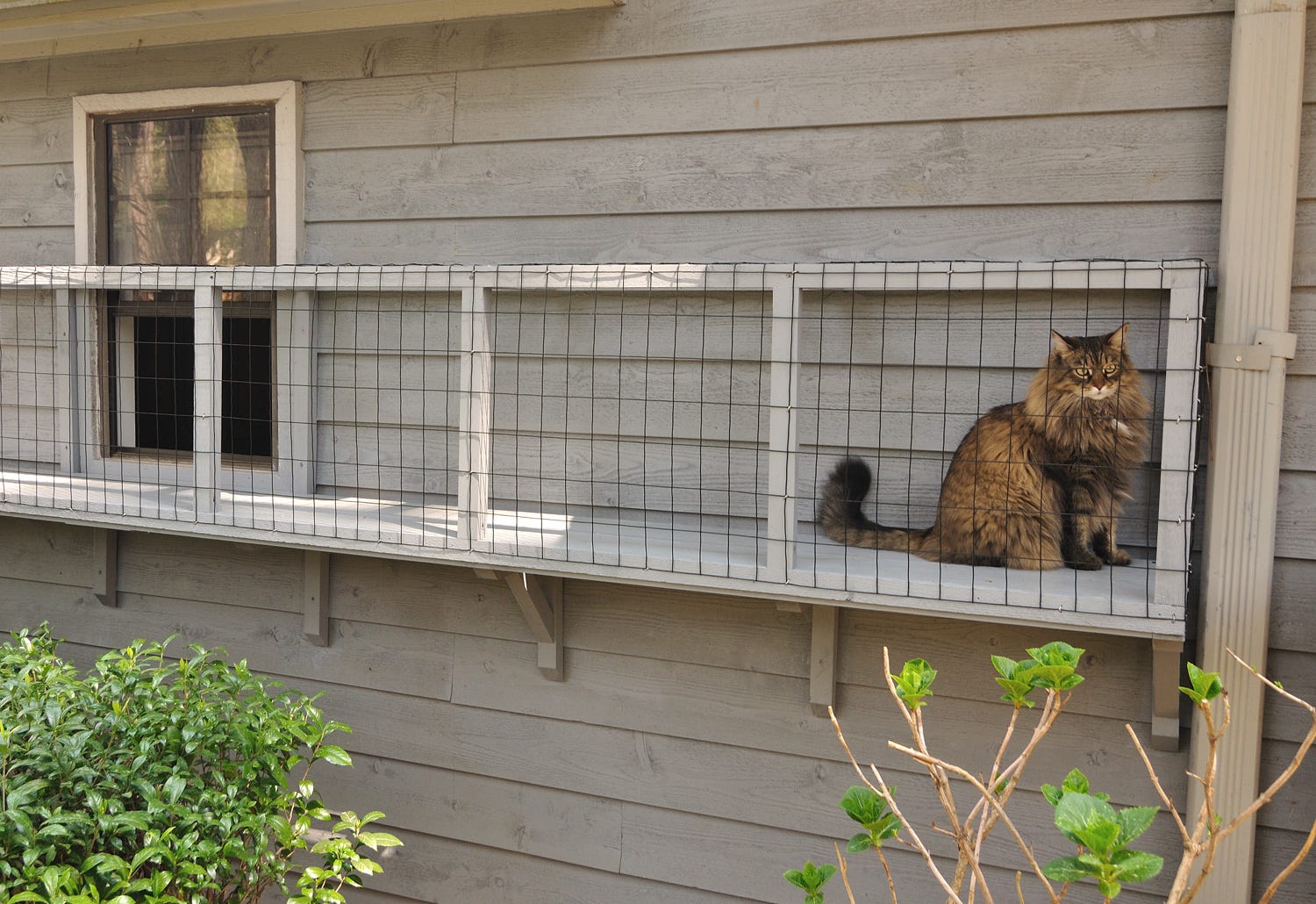
Bird enthusiasts are not anti-cat—I have two cherished companions of my own—but keeping them inside especially during nesting and fledging periods is good for the local wildlife. Instead, consider setting up a cat patios, or catios, which is collapsable and easy to store. A catio provides your feline with all the sights, sounds, and smells of being outdoors without the more troubling interactions with birds.
Plant Trees.
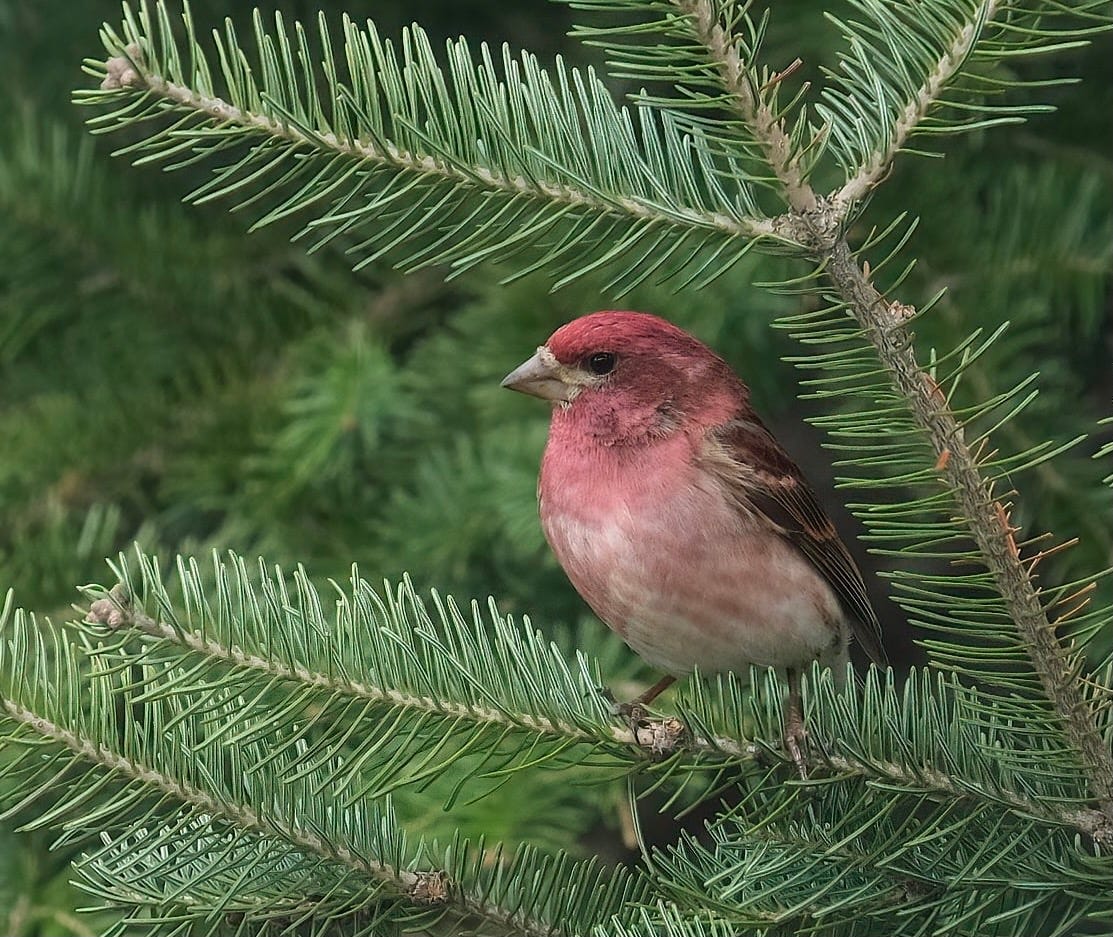
When considering the How of bringing birds in your yard or garden, most people overlook the best available option, planting a tree. A long-term commitment to birds of today and in the future is choosing to plant a native tree that works as both a shelter and a food source.
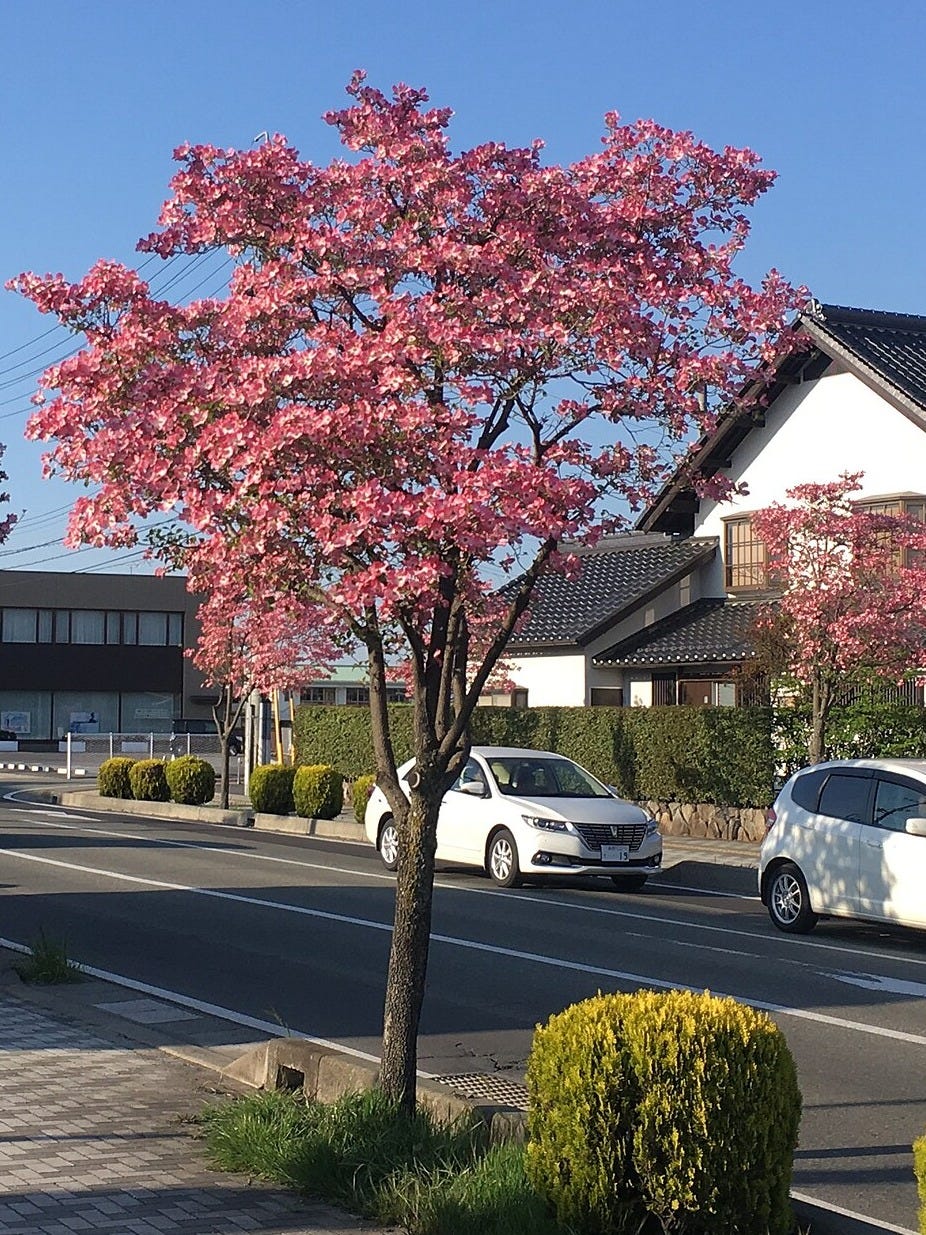
One good choice is Cornus florida, the flowering dogwood or American dogwood, is a species of flowering tree in the family Cornaceae native to eastern North America and northern Mexico.
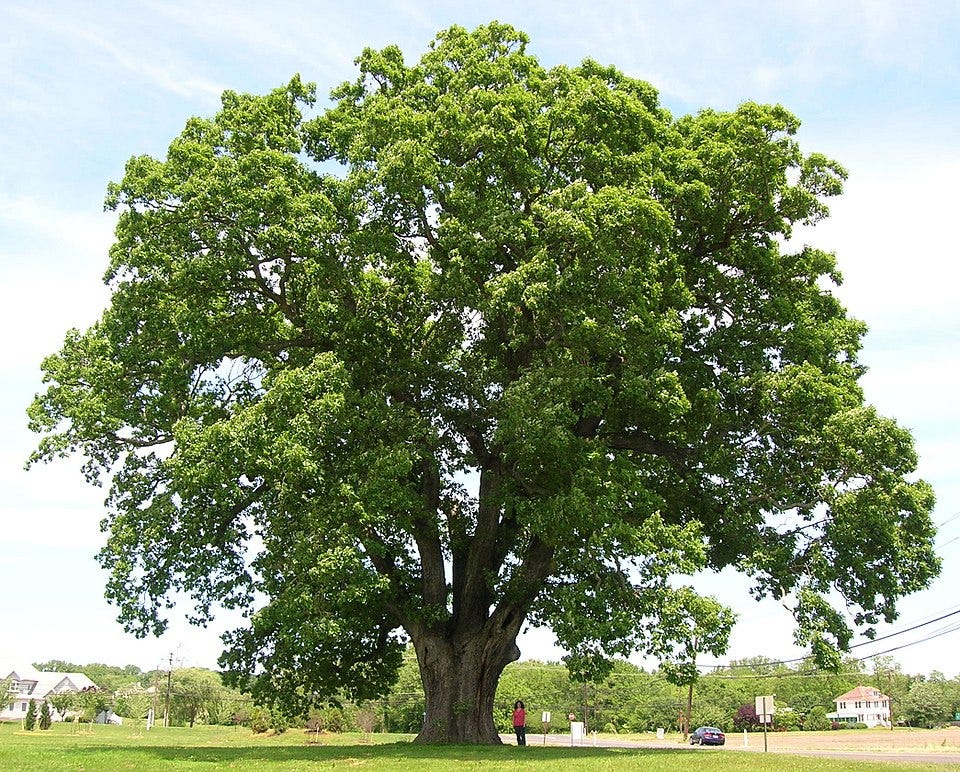
Another good choice is Quercus alba, the white oak, which is one of the preeminent hardwoods of eastern and central North America. It is a long-lived oak, native to eastern and central North America and perfect for supporting native wildlife.